← Back to Case Files
Case #00000177
open
Evidence on file
Devil's Footprints — Mysterious Trail of Cloven Hoofprints Crosses All of Devon Overnight
Unverified report — this account has not been independently confirmed. Treat all claims as witness testimony pending investigation.
Witness Account
On the morning of February 8-9, 1855, residents of Devon, England awoke to find a trail of hoof-like prints in the snow that stretched approximately 100 miles in a single night. What made the tracks inexplicable was not just their distance, but their behavior — the trail crossed rooftops, scaled haystacks, navigated drainpipes, passed through 14-inch-wide drain pipes, and continued uninterrupted through walls and across bodies of water.
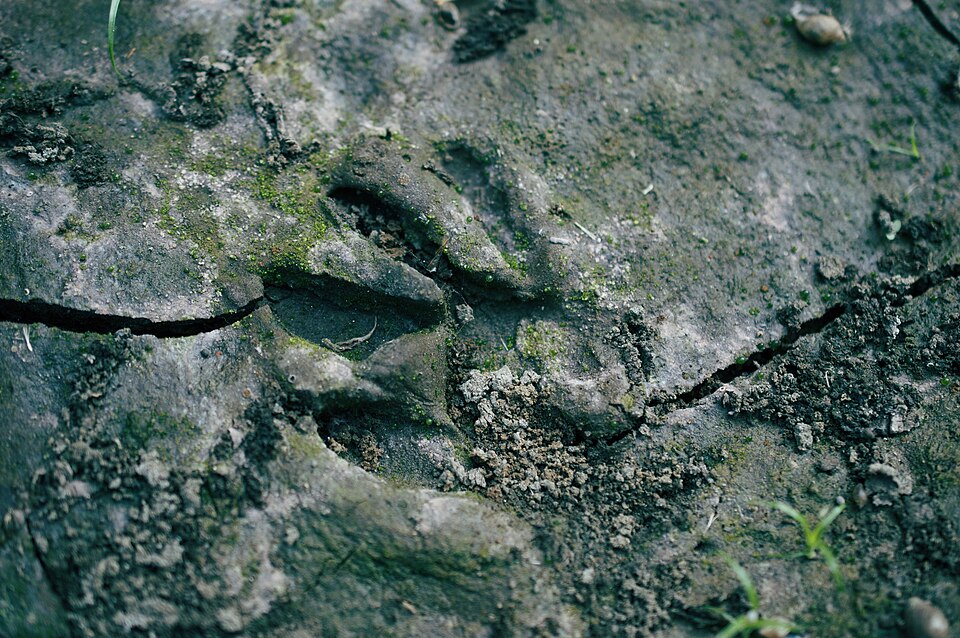
The prints, spaced about eight inches apart in a single-file pattern, measured approximately 1.5 to 2.5 inches wide and 3 inches long. The symmetrical U-shaped or hoof-like impressions suggested to many observers a cloven hoof — and in the religiously conservative Victorian era, this immediately evoked associations with the Devil.
Reverend Henry Reddaway, Vicar of Dawlish, circulated a letter to local parishes collecting accounts and descriptions of the tracks. The Times of London published a story about the phenomenon. Charles Dickens and other notable Victorians commented on the case.
Many theories have been proposed over 170 years: a kangaroo or other escaped exotic animal, a chain dragged by a balloon, a badger or other mammal whose tracks were distorted by snow melt, a wood mouse moving in single file, or a hoax. None satisfactorily explains how a continuous trail of identical prints traveled 100 miles in a single night crossing all manner of obstacles. The Devon footprints remain one of Victorian England's most enduring mysteries.
The prints, spaced about eight inches apart in a single-file pattern, measured approximately 1.5 to 2.5 inches wide and 3 inches long. The symmetrical U-shaped or hoof-like impressions suggested to many observers a cloven hoof — and in the religiously conservative Victorian era, this immediately evoked associations with the Devil.
Reverend Henry Reddaway, Vicar of Dawlish, circulated a letter to local parishes collecting accounts and descriptions of the tracks. The Times of London published a story about the phenomenon. Charles Dickens and other notable Victorians commented on the case.
Many theories have been proposed over 170 years: a kangaroo or other escaped exotic animal, a chain dragged by a balloon, a badger or other mammal whose tracks were distorted by snow melt, a wood mouse moving in single file, or a hoax. None satisfactorily explains how a continuous trail of identical prints traveled 100 miles in a single night crossing all manner of obstacles. The Devon footprints remain one of Victorian England's most enduring mysteries.
Community Assessment
Investigator Notes (0)
Create an account or sign in to add investigator notes.
No investigator notes yet — be the first to file one.