← Back to Case Files
Case #00000203
open
Evidence on file
Nandi Bear — East African Cryptid Described as Larger Than Lion With Ability to Scalp Humans
Unverified report — this account has not been independently confirmed. Treat all claims as witness testimony pending investigation.
Witness Account
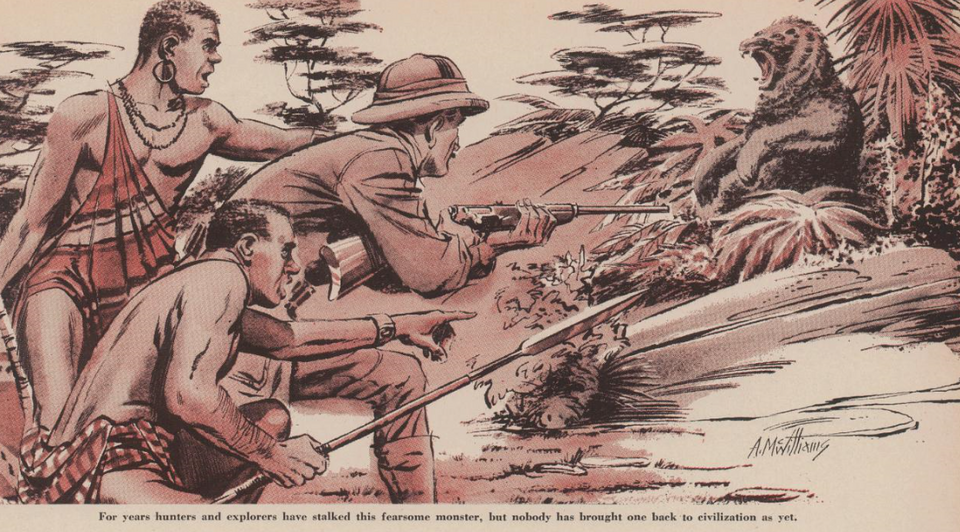
The Nandi Bear is a cryptid reported from East Africa, particularly the Nandi Hills region of western Kenya. It has been described by both indigenous Nandi people and European settlers and administrators as a large, solitary predator resembling a bear — an animal that does not exist in Africa — that is reportedly capable of killing cattle and humans and is known for the particularly disturbing habit of eating only the brain of its victims, sometimes reaching through the top of the skull to do so.
The first European accounts date to the late 19th century as British colonial administrators began working in the region. Game warden C.W. Hobley documented multiple accounts in the 1920s. High Commissioner Charles William Hobley and big-game hunter Colonel Patterson both filed formal accounts of the creature with colonial authorities.
Descriptions vary but commonly include: the size of a large bear, spotted or reddish-brown coat, short front legs giving a hyena-like slope to the body, heavy shoulders, and a dog-like muzzle. The Nandi people regard the creature with extreme fear and have specific traditions for dealing with its visits.
Zoologists have proposed various explanations including a surviving species of giant hyena, a ratel (honey badger) grown unusually large in legend, or a surviving chalicothere — a prehistoric mammal with bear-like characteristics. No specimen has been collected. The consistent cross-cultural fear of the creature and the specific behaviors reported make the Nandi Bear one of the more compelling African cryptid cases.
The first European accounts date to the late 19th century as British colonial administrators began working in the region. Game warden C.W. Hobley documented multiple accounts in the 1920s. High Commissioner Charles William Hobley and big-game hunter Colonel Patterson both filed formal accounts of the creature with colonial authorities.
Descriptions vary but commonly include: the size of a large bear, spotted or reddish-brown coat, short front legs giving a hyena-like slope to the body, heavy shoulders, and a dog-like muzzle. The Nandi people regard the creature with extreme fear and have specific traditions for dealing with its visits.
Zoologists have proposed various explanations including a surviving species of giant hyena, a ratel (honey badger) grown unusually large in legend, or a surviving chalicothere — a prehistoric mammal with bear-like characteristics. No specimen has been collected. The consistent cross-cultural fear of the creature and the specific behaviors reported make the Nandi Bear one of the more compelling African cryptid cases.
Community Assessment
Investigator Notes (0)
Create an account or sign in to add investigator notes.
No investigator notes yet — be the first to file one.