← Back to Case Files
Case #00000091
open
Evidence on file
Loch Ness Monster — Sonar and Underwater Camera Captures Evidence in Scottish Loch
Unverified report — this account has not been independently confirmed. Treat all claims as witness testimony pending investigation.
Witness Account
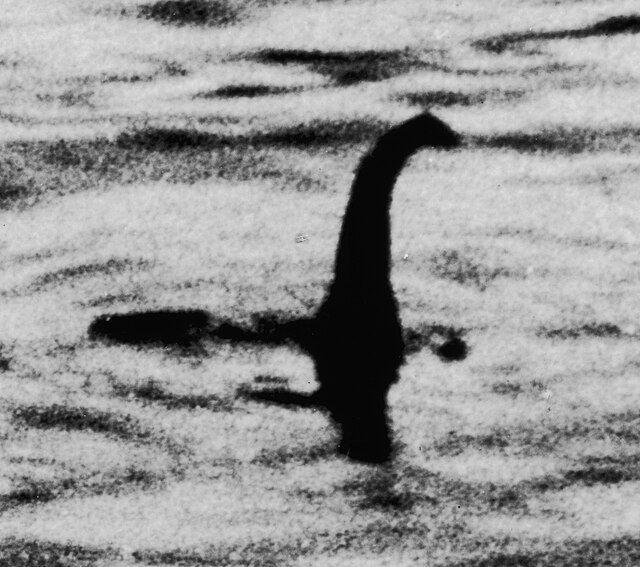
The Loch Ness Monster, affectionately known as Nessie, has been reported in Scotland's largest freshwater loch since 565 AD. Modern sightings began in earnest in 1933, and the creature has been the subject of numerous scientific expeditions throughout the late 20th and early 21st centuries.
In 1987, Operation Deepscan—the largest and most technologically advanced search of the loch to date—deployed 24 sonar-equipped boats in a coordinated sweep. Three of the sonar operators recorded unexplained large contacts at depth that were described by sonar manufacturers as coming from a large living object. The contacts could not be attributed to any known species.
In 2018, New Zealand geneticist Neil Gemmell led a comprehensive environmental DNA (eDNA) survey of the loch. While he did not find evidence of a plesiosaur, the survey detected an unexpectedly massive presence of eel DNA and suggested a giant eel could explain many sightings. He notably did not rule out an unidentified large creature.
In 2023, one of the largest search operations in decades was conducted using drones and hydrophones. Investigators recorded large unexplained acoustic contacts at depth. Thousands of eyewitness reports spanning nearly a century from credible witnesses including soldiers, scientists, and clergy continue to make the Loch Ness Monster one of the most persistently investigated cryptids in the world.
In 1987, Operation Deepscan—the largest and most technologically advanced search of the loch to date—deployed 24 sonar-equipped boats in a coordinated sweep. Three of the sonar operators recorded unexplained large contacts at depth that were described by sonar manufacturers as coming from a large living object. The contacts could not be attributed to any known species.
In 2018, New Zealand geneticist Neil Gemmell led a comprehensive environmental DNA (eDNA) survey of the loch. While he did not find evidence of a plesiosaur, the survey detected an unexpectedly massive presence of eel DNA and suggested a giant eel could explain many sightings. He notably did not rule out an unidentified large creature.
In 2023, one of the largest search operations in decades was conducted using drones and hydrophones. Investigators recorded large unexplained acoustic contacts at depth. Thousands of eyewitness reports spanning nearly a century from credible witnesses including soldiers, scientists, and clergy continue to make the Loch Ness Monster one of the most persistently investigated cryptids in the world.
Community Assessment
Investigator Notes (0)
Create an account or sign in to add investigator notes.
No investigator notes yet — be the first to file one.