← Back to Case Files
Case #00000160
open
Evidence on file
Bunyip — Australia's Terrifying Swamp Creature Reported Across the Continent
Unverified report — this account has not been independently confirmed. Treat all claims as witness testimony pending investigation.
Witness Account
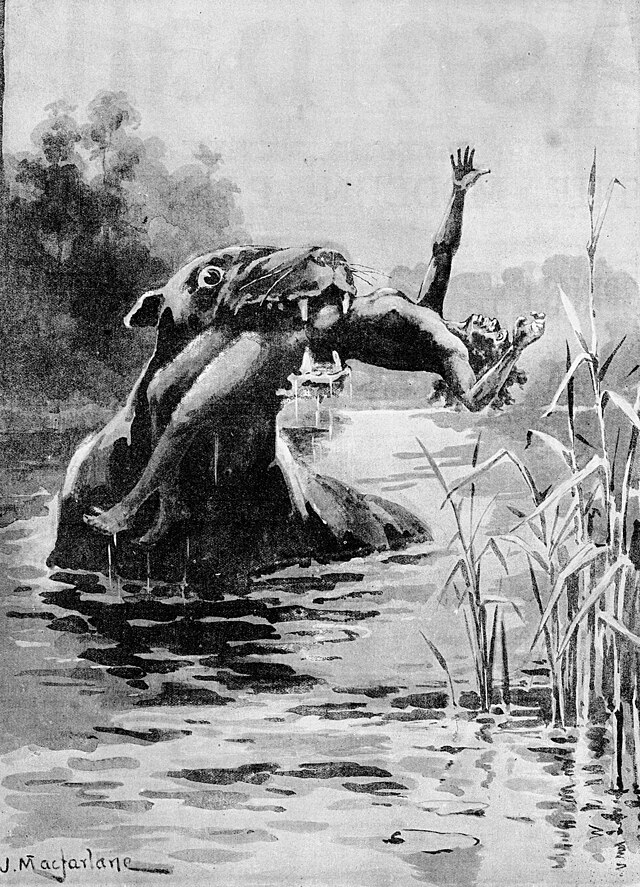
The bunyip is a cryptid that has been reported by Aboriginal Australians for thousands of years and by European settlers since the early 1800s, making it one of the longest-documented cryptozoological entities in the world. Described variously as a large aquatic mammal with flippers, a tail, a horse-like head, and a terrifying roar, the bunyip inhabits billabongs, swamps, and riverbeds across the Australian continent.
Aboriginal oral traditions consistently describe the bunyip as a dangerous, supernatural being of the waterways that would drag humans under the surface. The word itself comes from the Wemba-Wemba language and translates roughly to "devil" or "evil spirit." Different regional traditions describe somewhat different physical characteristics but consistently associate the creature with specific waterways.
European accounts proliferated in the 19th century. In 1846, a skull found near Geelong appeared to match descriptions of the bunyip and was briefly displayed at the Australian Museum in Sydney before being lost or mislabeled. The Melbourne Argus reported in 1845 that two men had found a large carcass near Lake Tiberias that matched no known species.
Modern cryptozoological researchers have proposed that the bunyip may represent a folk memory of Diprotodon — a giant wombat-like marsupial that went extinct approximately 25,000 years ago but whose range and habits might match the bunyip's described habitat. No physical specimen has been produced.
Aboriginal oral traditions consistently describe the bunyip as a dangerous, supernatural being of the waterways that would drag humans under the surface. The word itself comes from the Wemba-Wemba language and translates roughly to "devil" or "evil spirit." Different regional traditions describe somewhat different physical characteristics but consistently associate the creature with specific waterways.
European accounts proliferated in the 19th century. In 1846, a skull found near Geelong appeared to match descriptions of the bunyip and was briefly displayed at the Australian Museum in Sydney before being lost or mislabeled. The Melbourne Argus reported in 1845 that two men had found a large carcass near Lake Tiberias that matched no known species.
Modern cryptozoological researchers have proposed that the bunyip may represent a folk memory of Diprotodon — a giant wombat-like marsupial that went extinct approximately 25,000 years ago but whose range and habits might match the bunyip's described habitat. No physical specimen has been produced.
Community Assessment
Investigator Notes (0)
Create an account or sign in to add investigator notes.
No investigator notes yet — be the first to file one.