← Back to Case Files
Case #00000168
classified
Evidence on file
Dyatlov Pass Incident — Nine Experienced Hikers Die in Terror on Russian Mountain
Witness Account
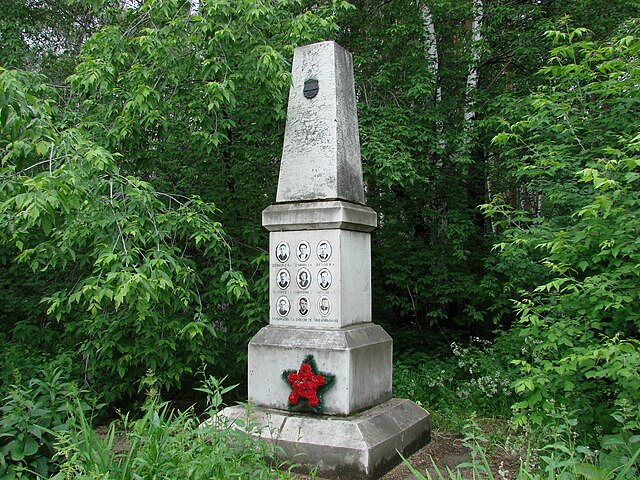
In February 1959, nine experienced Soviet hikers led by Igor Dyatlov died under deeply mysterious circumstances on a remote slope of the Ural Mountains. Their tent had been cut open from the inside and they had fled into the freezing night in bare feet or socks, some in their underwear, despite temperatures of -30°C.
The bodies were found in stages over several months. Some showed signs of blunt force trauma equivalent to a car crash but with no external wounds — internal injuries without bruising, suggesting some enormous pressure force. One woman was missing her tongue and eyes. Several victims had orange-stained skin and prematurely gray hair. Some of the clothing showed unusually high levels of radioactivity.
The Soviet investigation concluded that the deaths were caused by an "unknown compelling force" — an extraordinarily unusual conclusion for a Soviet bureaucratic report. All nine victims were experienced outdoorspeople with hundreds of days of winter hiking experience. No avalanche debris was found at the scene.
Decades of investigation have produced dozens of theories including a KGB weapons test, infrasound causing panic, a natural avalanche, military activity in the area, or an encounter with something unknown. Declassified Soviet documents released in the 2000s added details but resolved nothing. A 2019 Russian government investigation re-examined the evidence and concluded avalanche — a conclusion many independent researchers dispute given the physical evidence.
The bodies were found in stages over several months. Some showed signs of blunt force trauma equivalent to a car crash but with no external wounds — internal injuries without bruising, suggesting some enormous pressure force. One woman was missing her tongue and eyes. Several victims had orange-stained skin and prematurely gray hair. Some of the clothing showed unusually high levels of radioactivity.
The Soviet investigation concluded that the deaths were caused by an "unknown compelling force" — an extraordinarily unusual conclusion for a Soviet bureaucratic report. All nine victims were experienced outdoorspeople with hundreds of days of winter hiking experience. No avalanche debris was found at the scene.
Decades of investigation have produced dozens of theories including a KGB weapons test, infrasound causing panic, a natural avalanche, military activity in the area, or an encounter with something unknown. Declassified Soviet documents released in the 2000s added details but resolved nothing. A 2019 Russian government investigation re-examined the evidence and concluded avalanche — a conclusion many independent researchers dispute given the physical evidence.
Community Assessment
Investigator Notes (0)
Create an account or sign in to add investigator notes.
No investigator notes yet — be the first to file one.