← Back to Case Files
Case #00000173
open
Evidence on file
Mary Celeste — Brigantine Found Sailing Crewless, Meal Still Warm on Table
Unverified report — this account has not been independently confirmed. Treat all claims as witness testimony pending investigation.
Witness Account
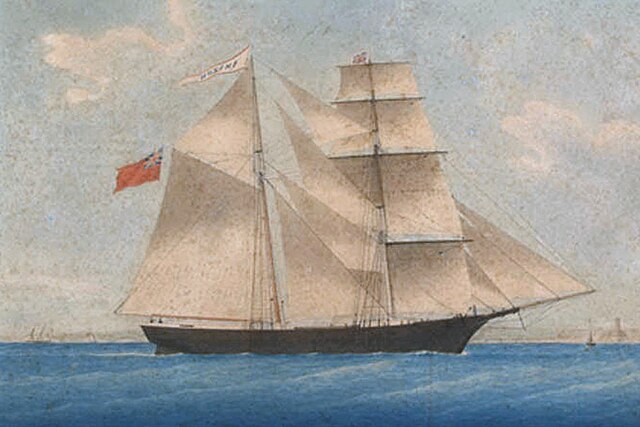
On December 4, 1872, the Canadian brigantine Dei Gratia sighted the American brigantine Mary Celeste sailing erratically in the Atlantic Ocean east of the Azores. When a boarding party was dispatched, they found the ship completely abandoned. The crew of ten — including the captain, his wife, and their young daughter — had vanished without explanation.
The ship was in seaworthy condition. There was no sign of panic or violence. The cargo of 1,701 barrels of industrial alcohol was largely intact. The ship's log was current to nine days before discovery. Navigation instruments were still aboard. The ship's only lifeboat was missing, suggesting the crew had deliberately departed in it.
The fate of the ten people who abandoned the Mary Celeste has never been established. The investigation focused initially on foul play by the Dei Gratia crew, but no evidence of wrongdoing was found. The most popular scientific theory involves the industrial alcohol cargo producing fumes that the captain feared might cause an explosion, prompting him to abandon ship temporarily on the lifeboat — only for the unmanned vessel to drift out of reach.
The case became one of the most famous maritime mysteries in history and has generated hundreds of fictional treatments. Arthur Conan Doyle wrote an early story about the ship. The phrase "Mary Celeste" has entered the English language as a metaphor for an inexplicable abandonment or disappearance.
The ship was in seaworthy condition. There was no sign of panic or violence. The cargo of 1,701 barrels of industrial alcohol was largely intact. The ship's log was current to nine days before discovery. Navigation instruments were still aboard. The ship's only lifeboat was missing, suggesting the crew had deliberately departed in it.
The fate of the ten people who abandoned the Mary Celeste has never been established. The investigation focused initially on foul play by the Dei Gratia crew, but no evidence of wrongdoing was found. The most popular scientific theory involves the industrial alcohol cargo producing fumes that the captain feared might cause an explosion, prompting him to abandon ship temporarily on the lifeboat — only for the unmanned vessel to drift out of reach.
The case became one of the most famous maritime mysteries in history and has generated hundreds of fictional treatments. Arthur Conan Doyle wrote an early story about the ship. The phrase "Mary Celeste" has entered the English language as a metaphor for an inexplicable abandonment or disappearance.
Community Assessment
Investigator Notes (0)
Create an account or sign in to add investigator notes.
No investigator notes yet — be the first to file one.